
Klinger, Max
Max Klinger (18 February 1857 – 5 July 1920) was a German artist who produced significant work in painting, sculpture, prints and graphics, as well as writing a treatise articulating his ideas on art and the role of graphic arts and printmaking in relation to painting. He is associated with symbolism, the Vienna Secession, and Jugendstil (Youth Style), the German manifestation of Art Nouveau. He is best known today for his many prints, particularly a series entitled Paraphrase on the Finding of a Glove and his monumental sculptural installation in homage to Beethoven at the Vienna Secession in 1902.
Read more on Wikipedia →Artworks by Klinger, Max
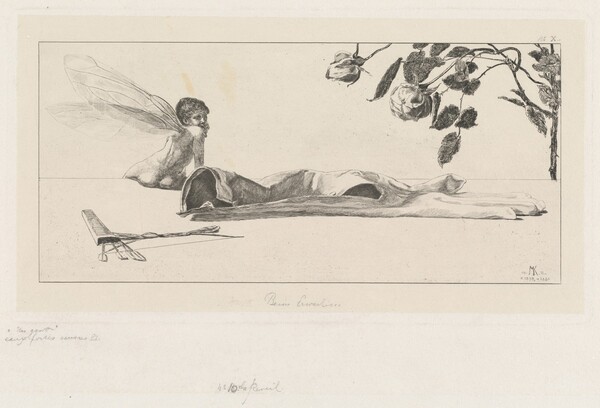
Cupid (Amor)
Klinger, Max
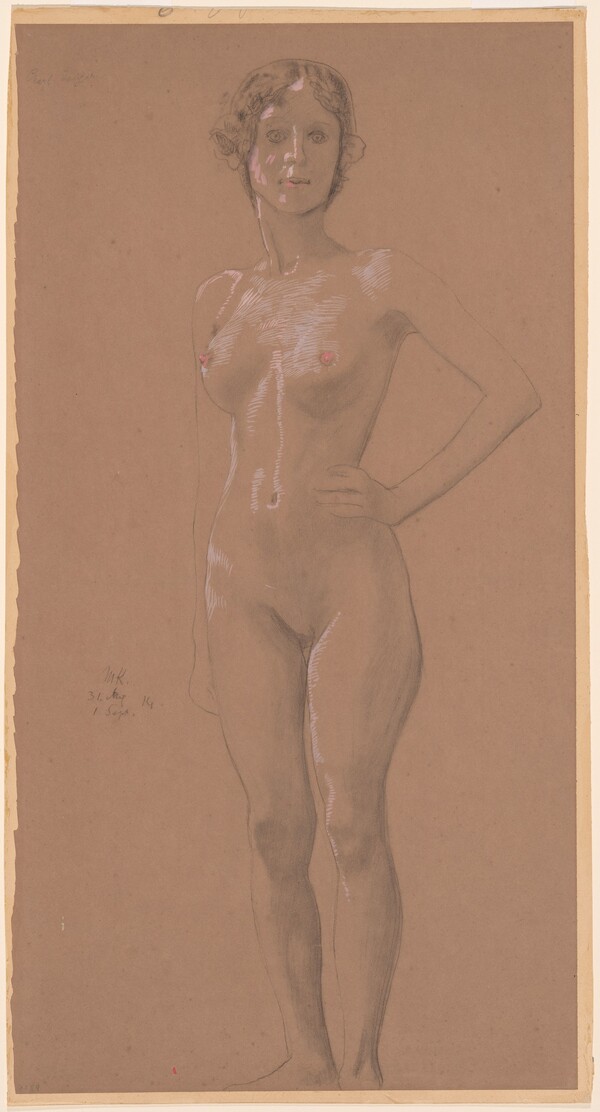
Standing Nude
Klinger, Max
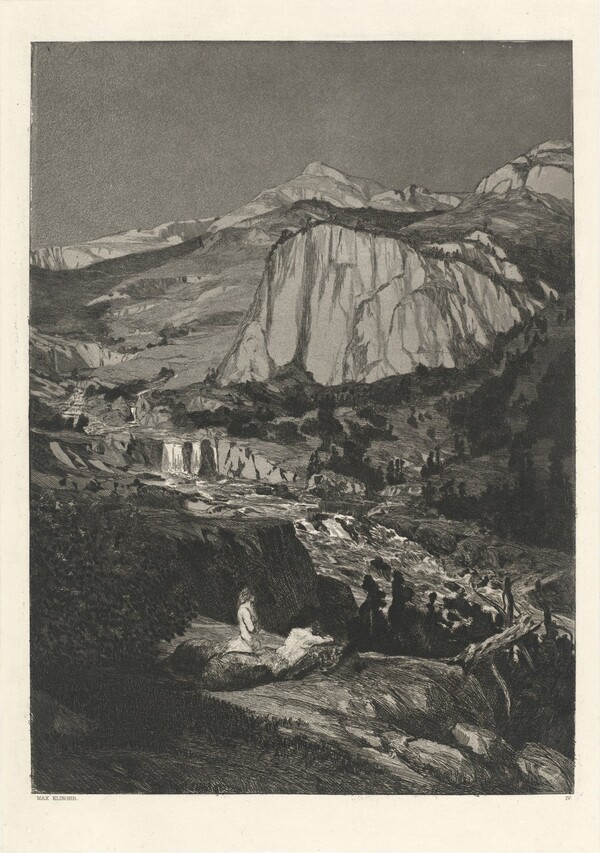
Moonlit Night (Mondnacht): pl. 4
Klinger, Max
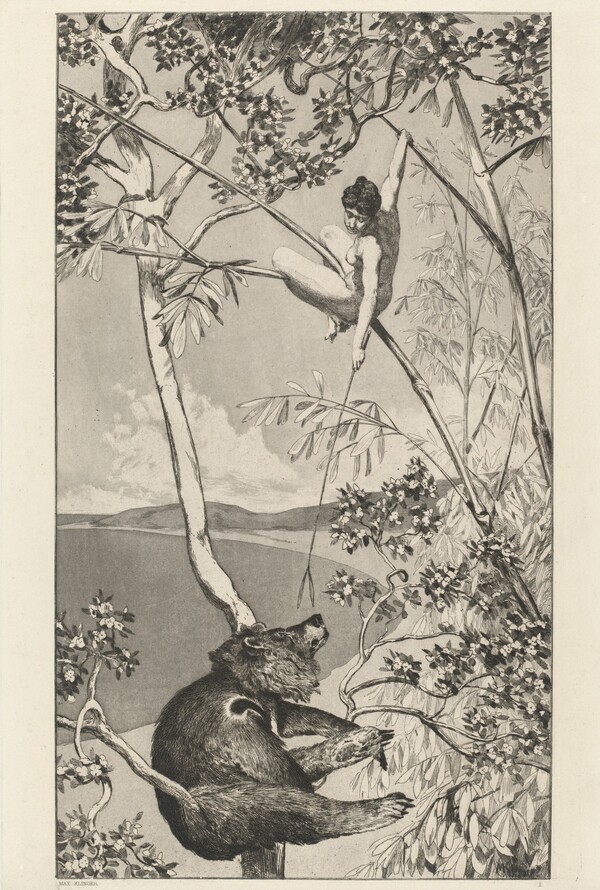
Bear and Elf (Bär und Elfe): pl.1
Klinger, Max
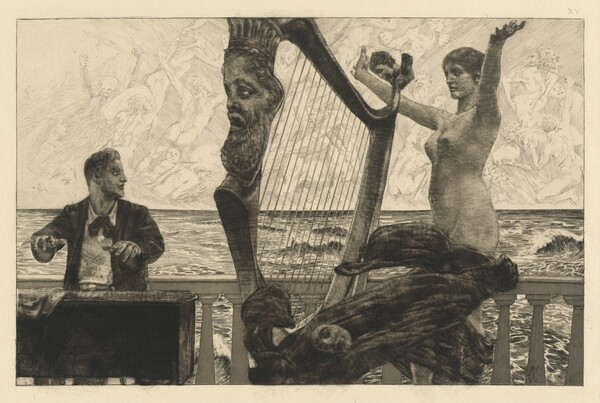
Evocation (Evocation)
Klinger, Max
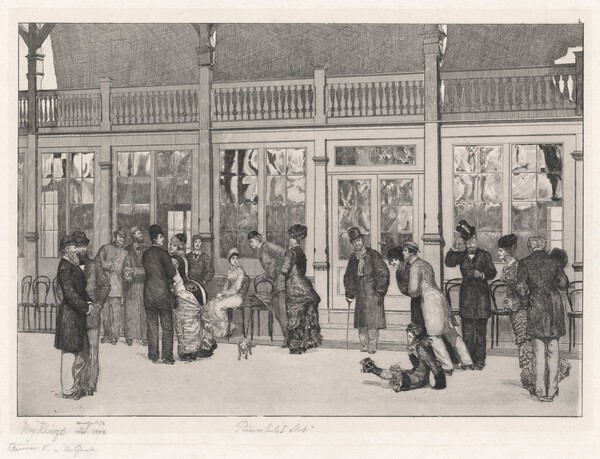
Place (Ort)
Klinger, Max
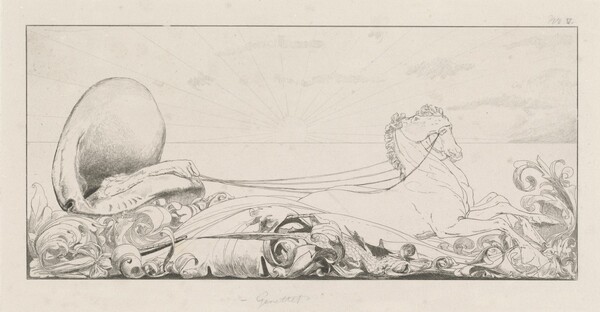
Triumph
Klinger, Max
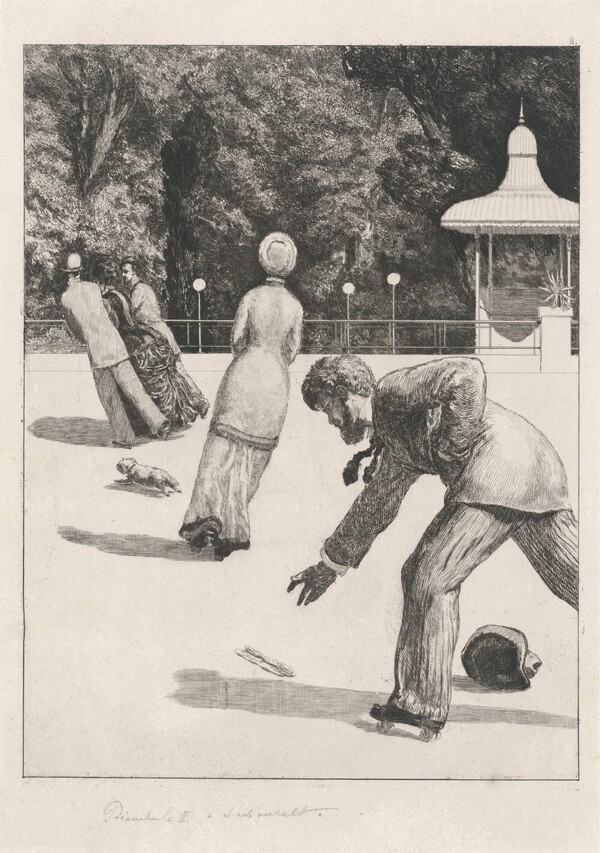
Action (Handlung)
Klinger, Max
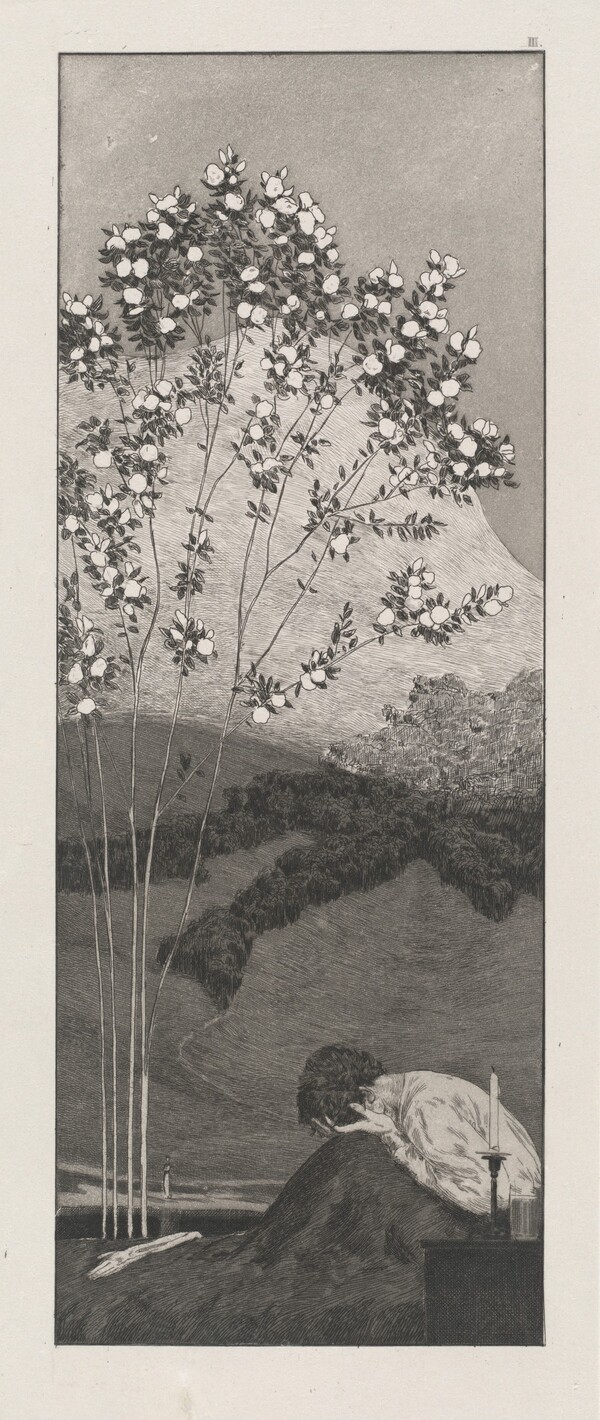
Yearnings (Wünsche)
Klinger, Max
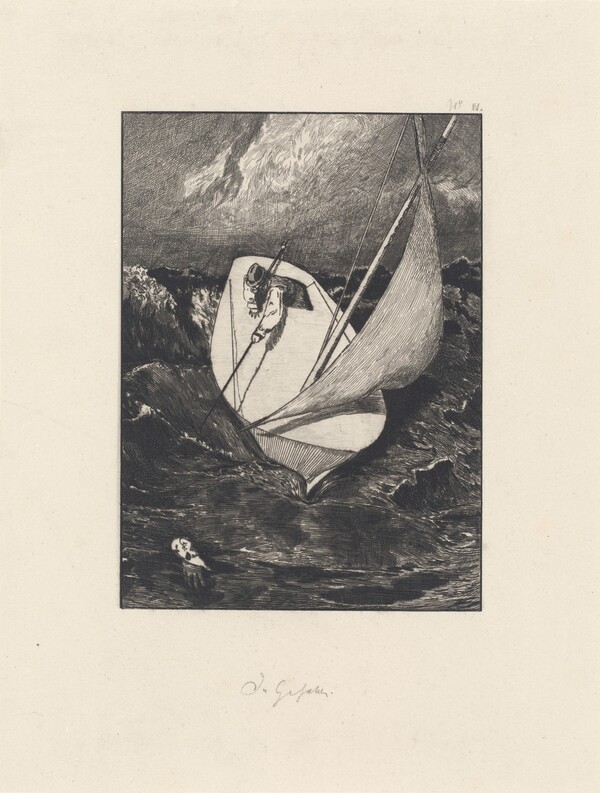
Rescue (Rettung)
Klinger, Max
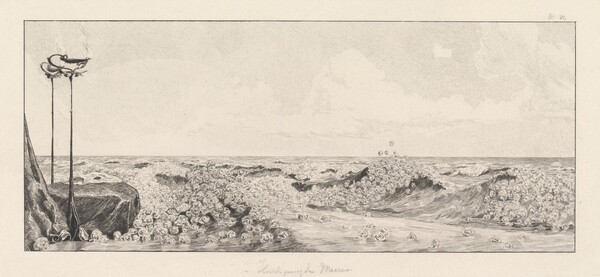
Homage (Huldigung)
Klinger, Max
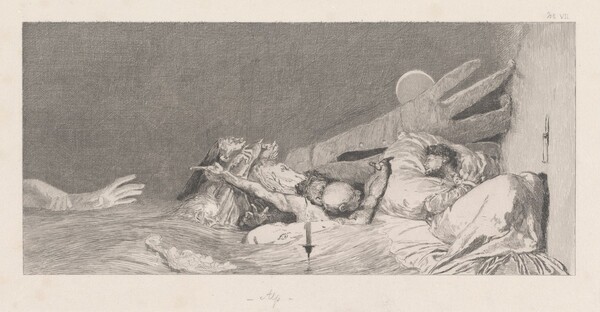
Anxieties (Ängste)
Klinger, Max
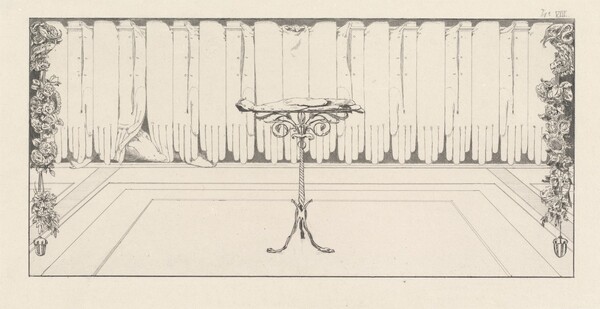
Repose (Ruhe)
Klinger, Max
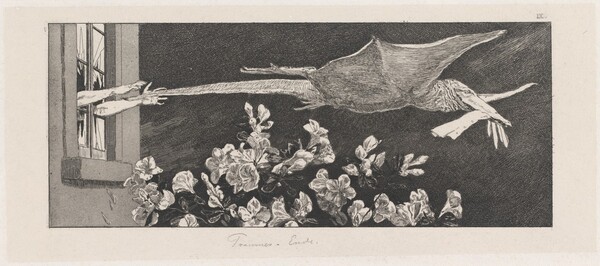
Abduction (Entführung)
Klinger, Max
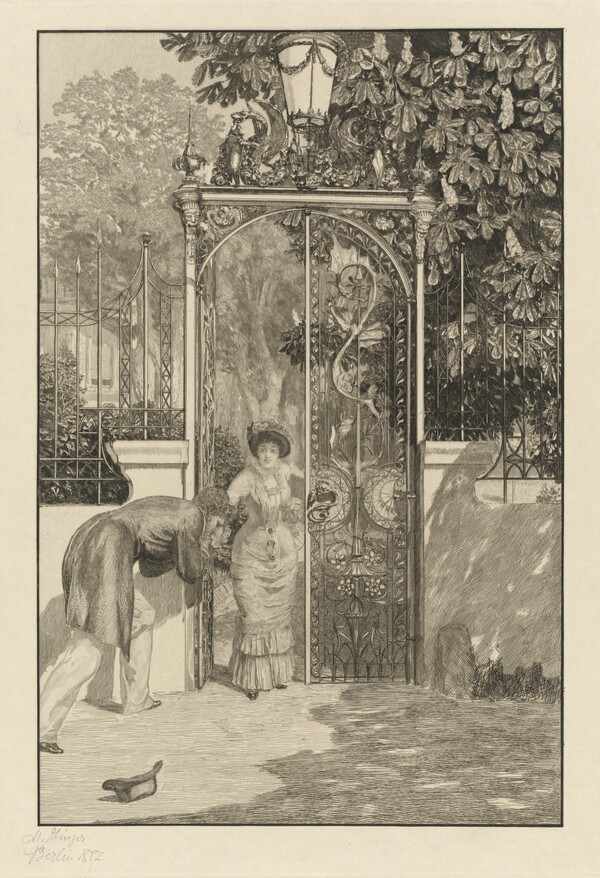
At the Gate (Am Thor)
Klinger, Max
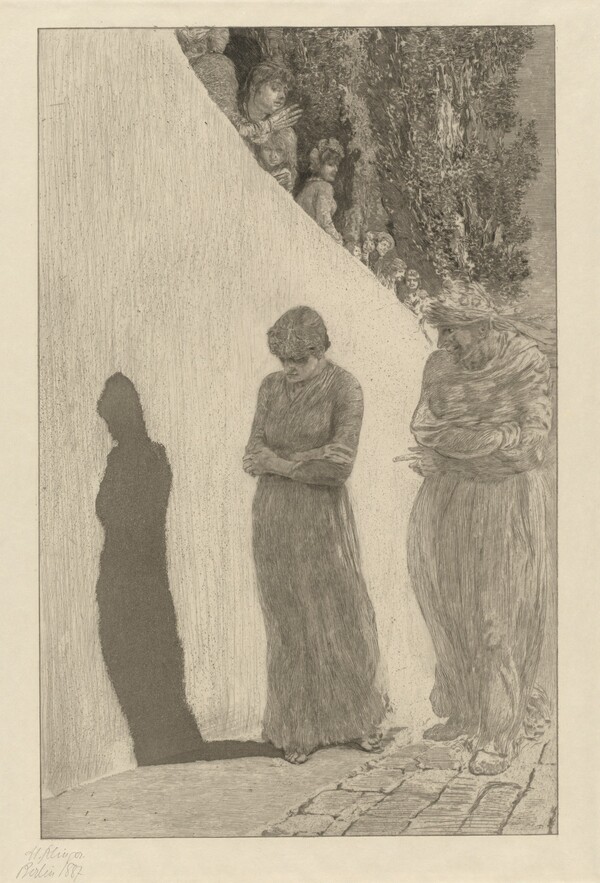
Disgrace (Schande): pl. 9
Klinger, Max
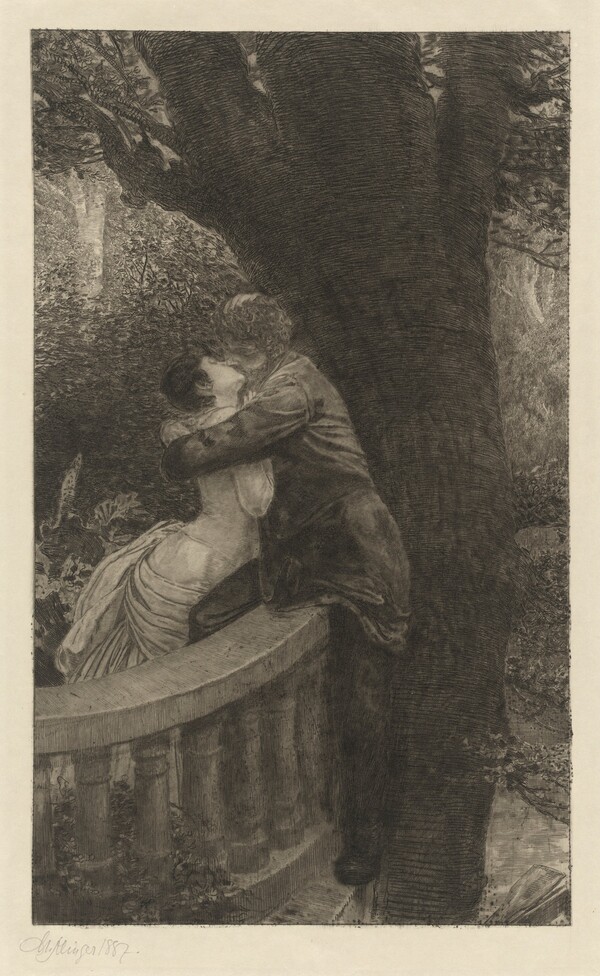
In the Park (Im Park): pl.4
Klinger, Max
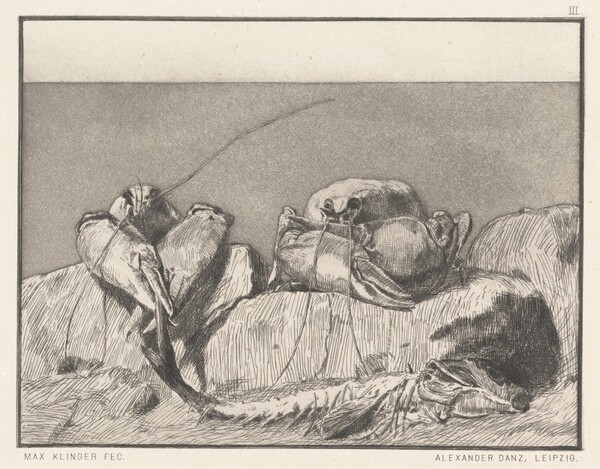
Siesta I: pl.3
Klinger, Max
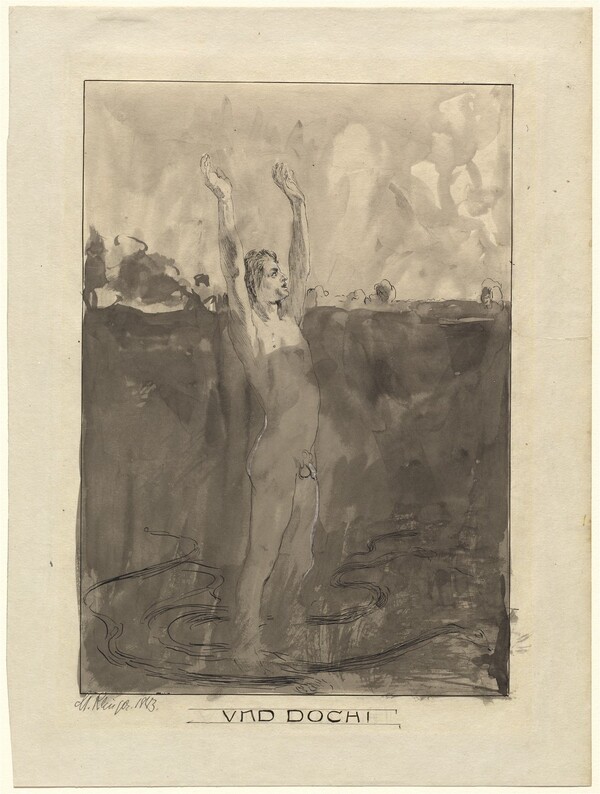
Und Doch!
Klinger, Max
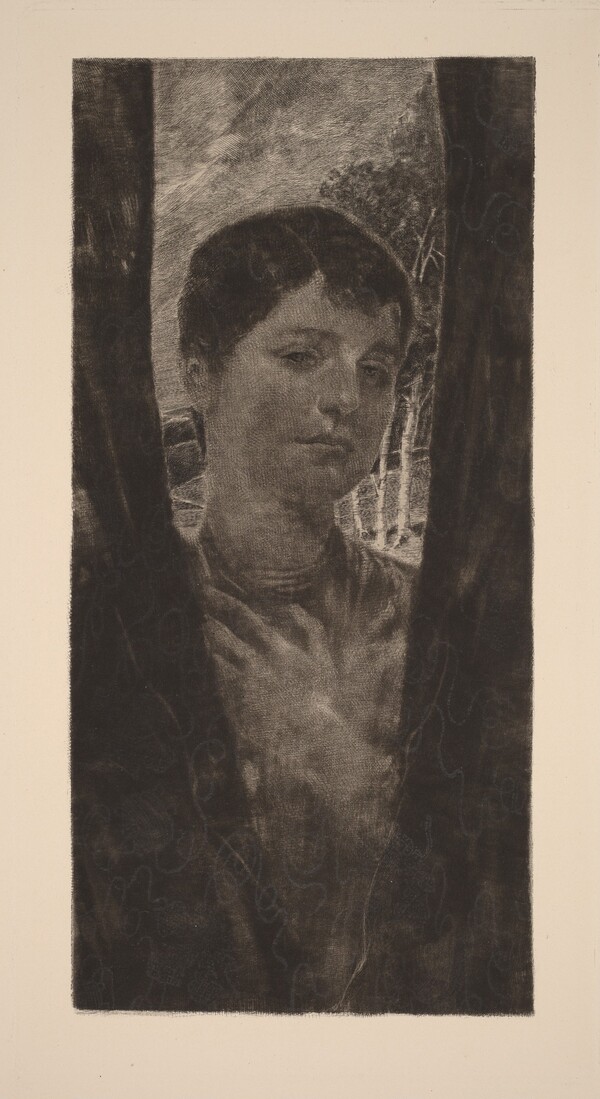
Erinnerung (Memory)
Klinger, Max