
Goya, Francisco
Francisco José de Goya y Lucientes (; Spanish: [fɾanˈθisko xoˈse ðe ˈɣoʝa i luˈθjentes]; 30 March 1746 – 16 April 1828) was a Spanish romantic painter and printmaker. He is considered the most important Spanish artist of the late 18th and early 19th centuries. His paintings, drawings, and engravings reflected contemporary historical upheavals and influenced important 19th- and 20th-century painters. Goya is often referred to as the last of the Old Masters and the first of the moderns. Goya was born in Fuendetodos, Aragon to a middle-class family in 1746. He studied painting from age 14 under José Luzán y Martínez and moved to Madrid to study with Anton Raphael Mengs. He married Josefa Bayeu in 1773. Goya became a court painter to the Spanish Crown in 1786 and this early portion of his career is marked by portraits of the Spanish aristocracy and royalty, and Rococo-style tapestry cartoons designed for the royal palace. Although Goya's letters and writings survive, little is known about his thoughts. He had a severe and undiagnosed illness in 1793 that left him deaf, after which his work became progressively darker and more pessimistic. His later easel and mural paintings, prints and...
Read more on Wikipedia →Artworks by Goya, Francisco
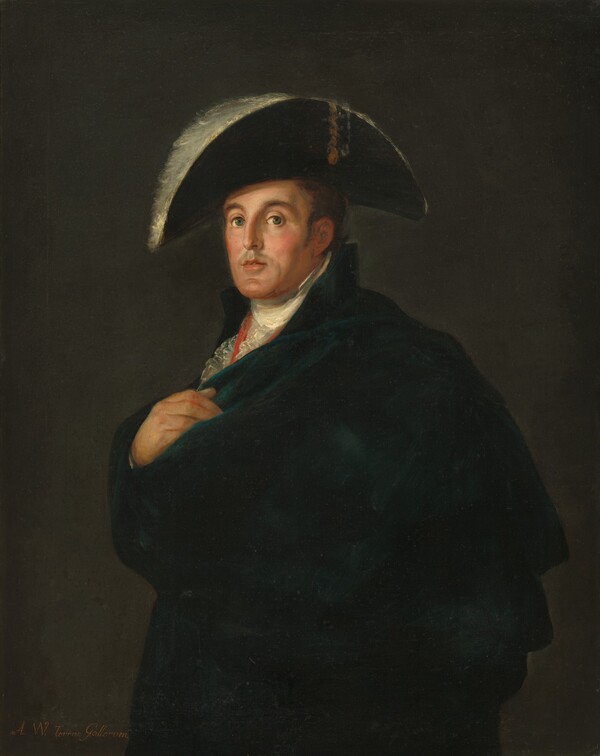
The Duke of Wellington
Goya, Francisco
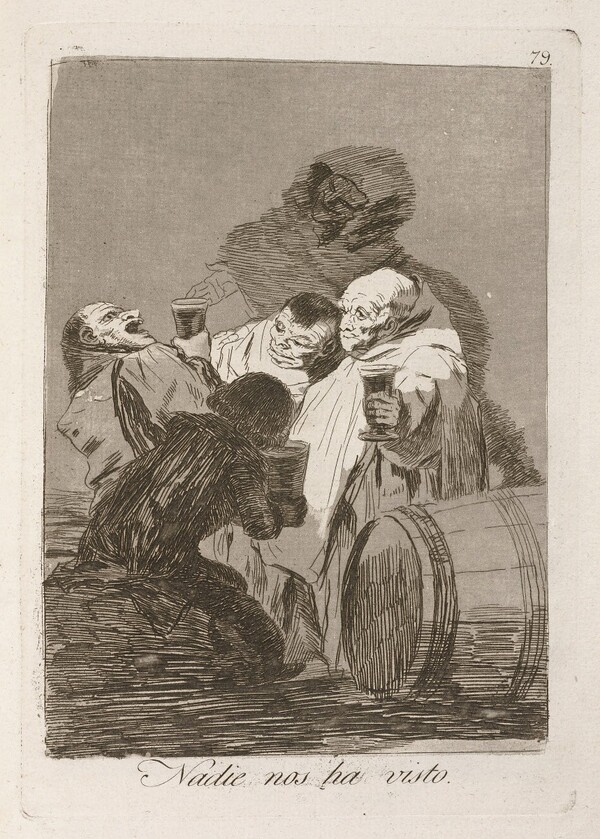
Nadie nos ha visto (No One Has Seen Us)
Goya, Francisco
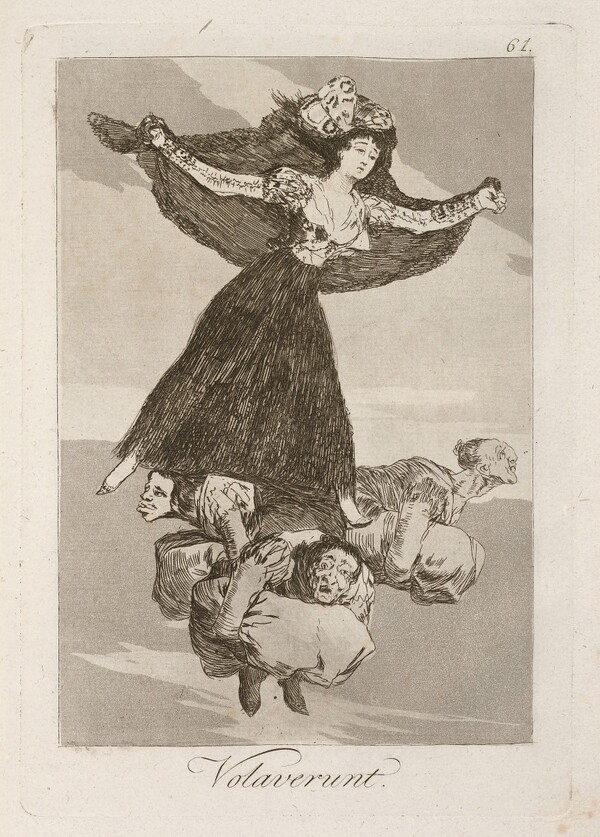
Volaverunt (They Have Flown)
Goya, Francisco
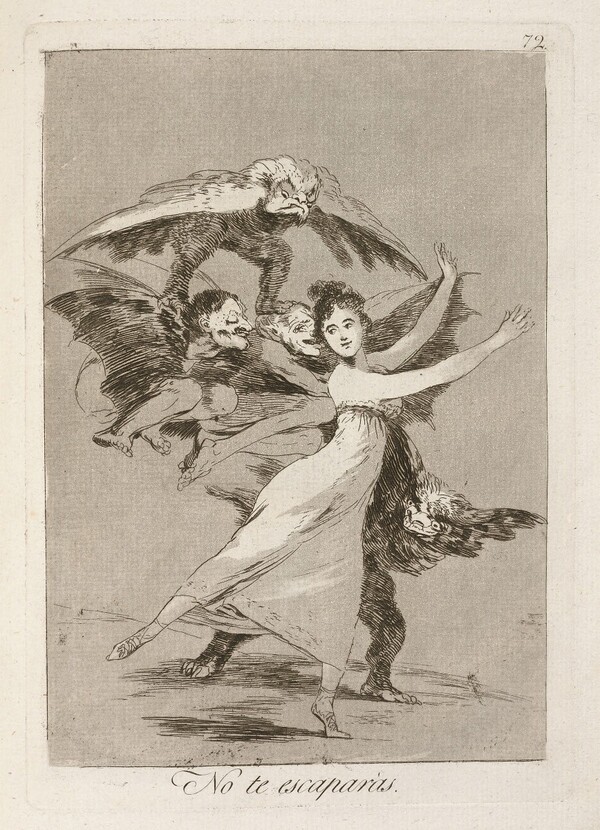
No te escaparas (You Will Not Escape)
Goya, Francisco
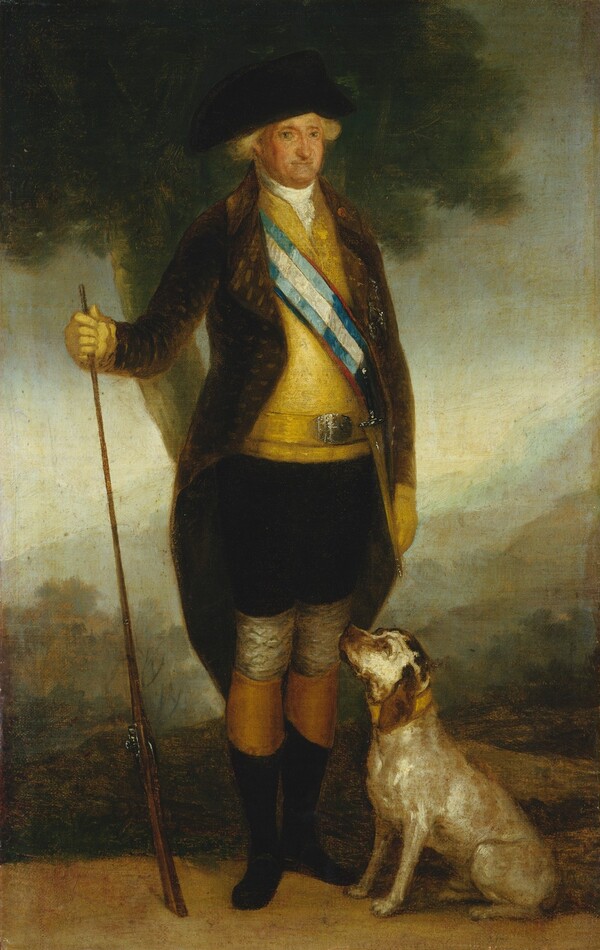
Charles IV of Spain as Huntsman
Goya, Francisco
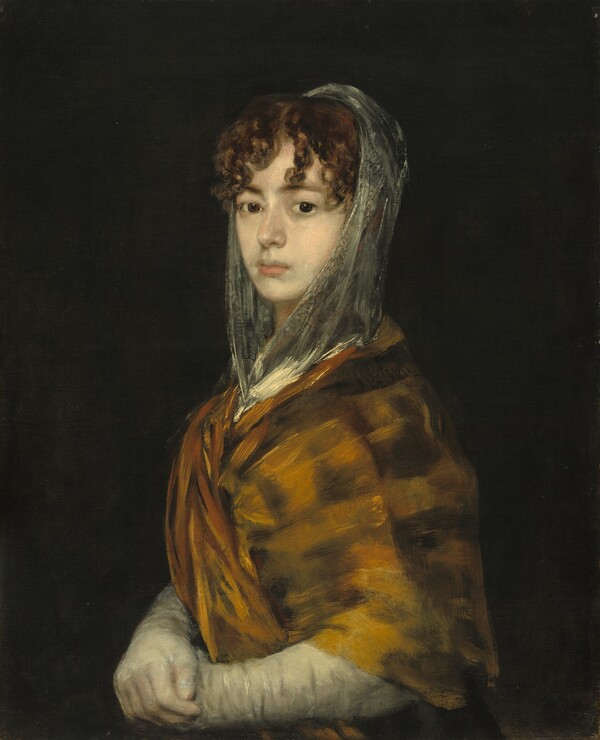
Señora Sabasa Garcia
Goya, Francisco
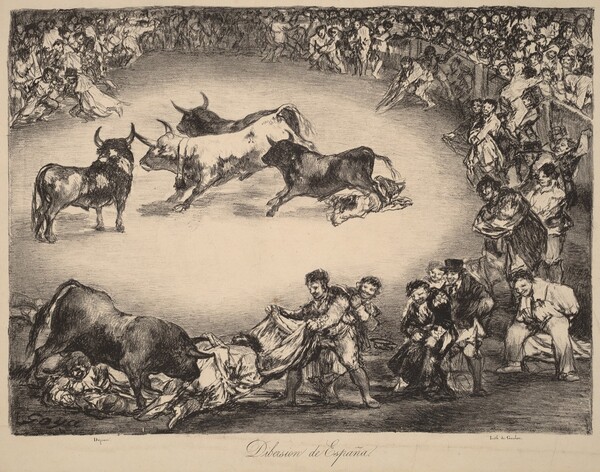
Dibersion de España (Spanish Entertainment)
Goya, Francisco
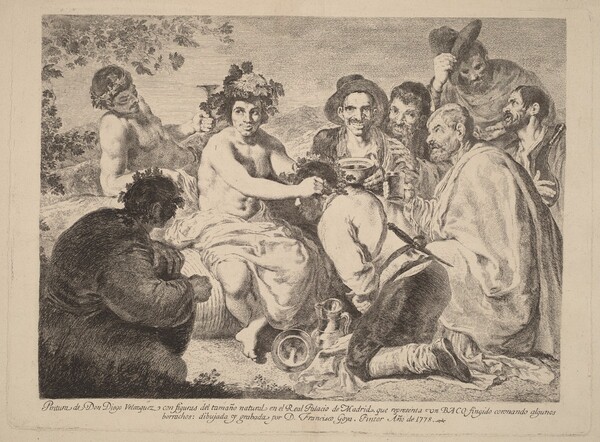
Baco (Bacchus)
Goya, Francisco
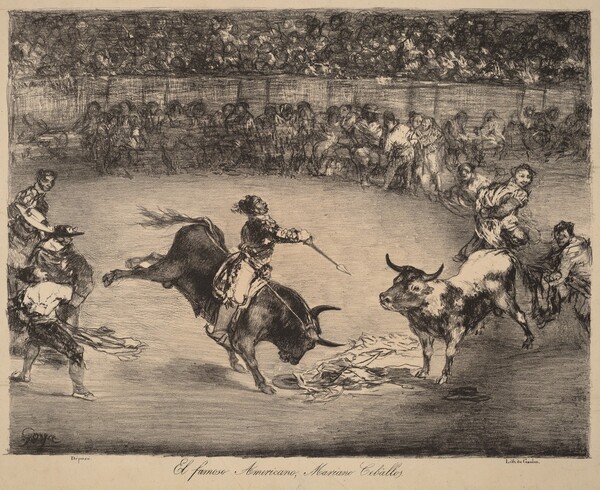
El famoso Americano, Mariano Ceballos (The Famous American, Mariano Ceballos)
Goya, Francisco
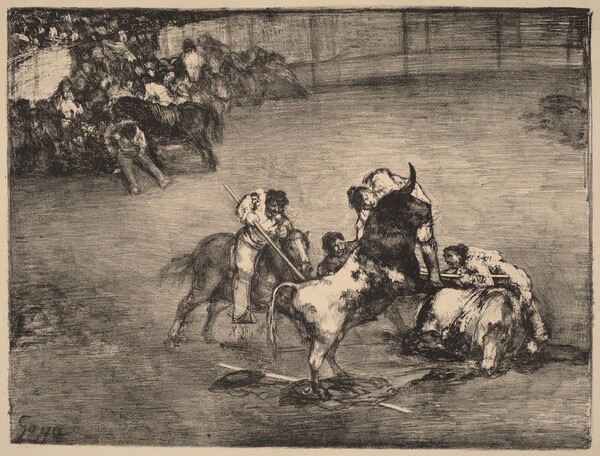
Picador Caught by a Bull
Goya, Francisco
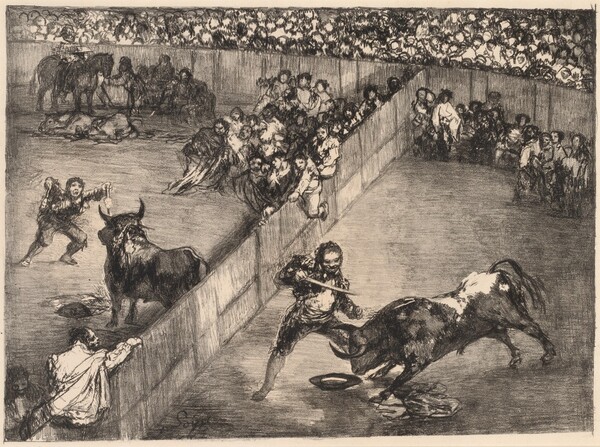
Bullfight in a Divided Ring
Goya, Francisco
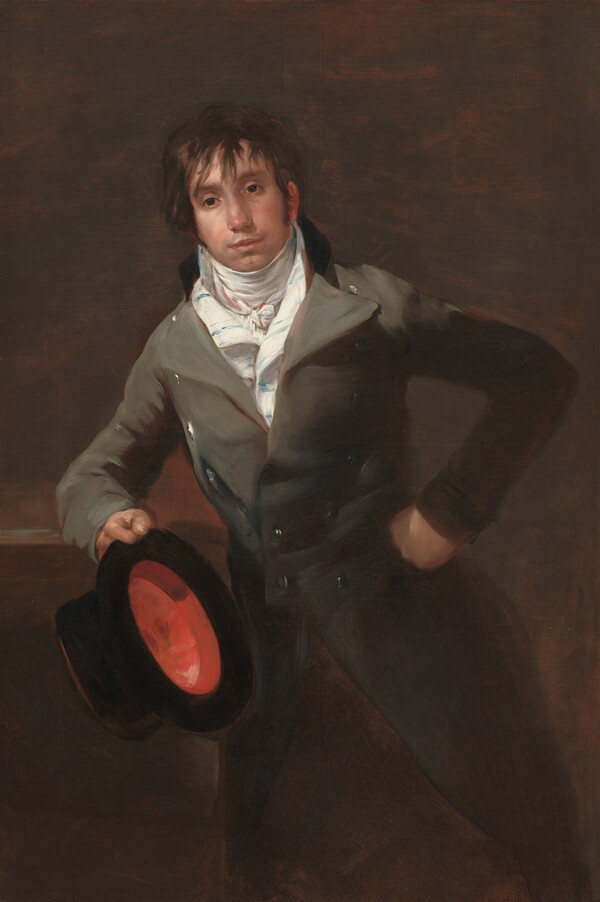
Bartolomé Sureda y Miserol
Goya, Francisco
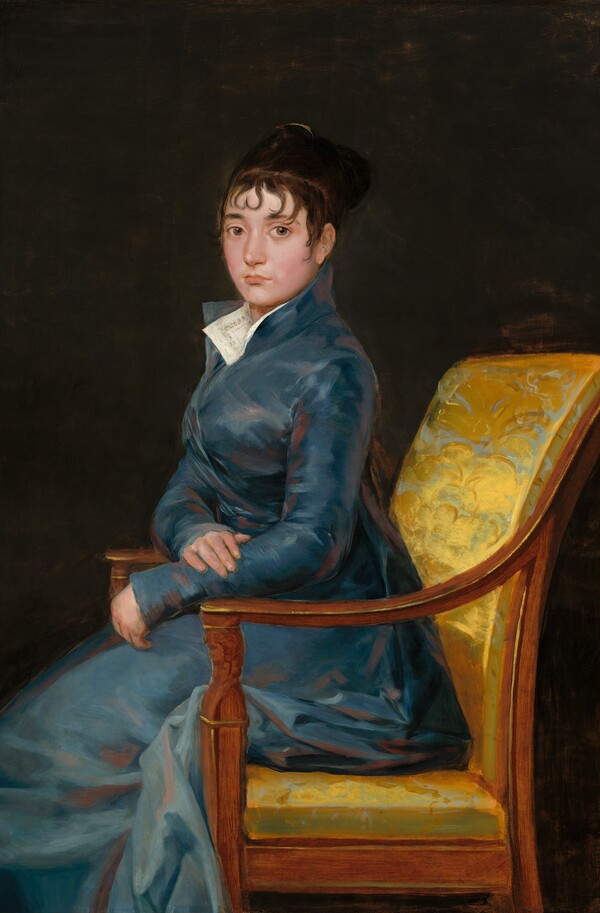
Thérèse Louise de Sureda
Goya, Francisco
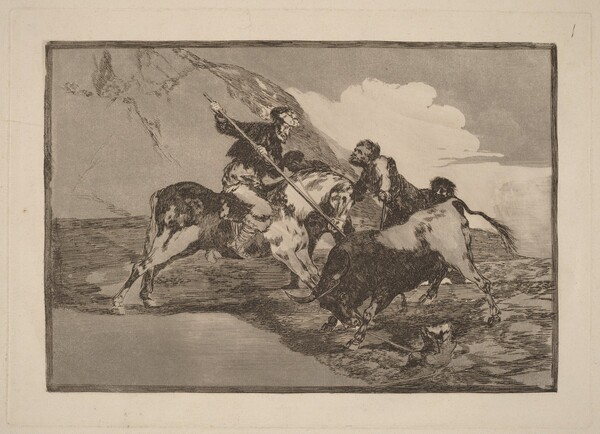
Modo con que los antiguos Espanoles cazaban los toros a caballo en el campo (The Way in which the Ancient Spaniards Hunted Bulls on Horseback in the Open Country)
Goya, Francisco
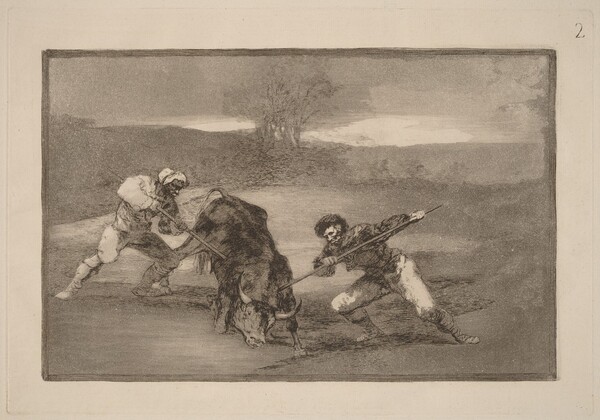
Otro modo de cazar a pie (Another Way of Hunting on Foot)
Goya, Francisco
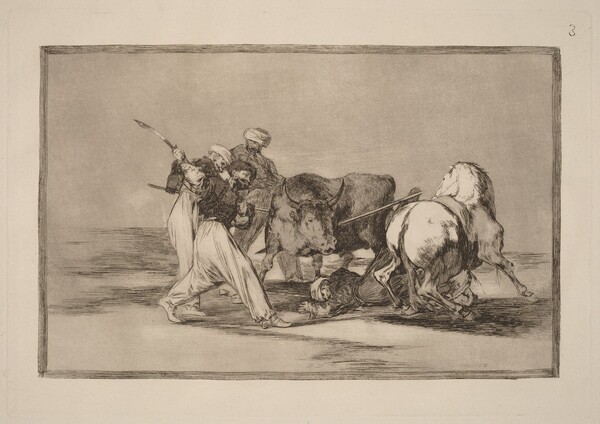
Los moros establecidos en Espana, prescindiendo de las supersticiones de su Alcoran, adoptaron esta caza y arte, y lancean un toro en el campo (The Moors Settled in Spain, Giving up the Superstitions of the Koran, Adopted This Art of Hunting, and Spear a Bull in the Open)
Goya, Francisco
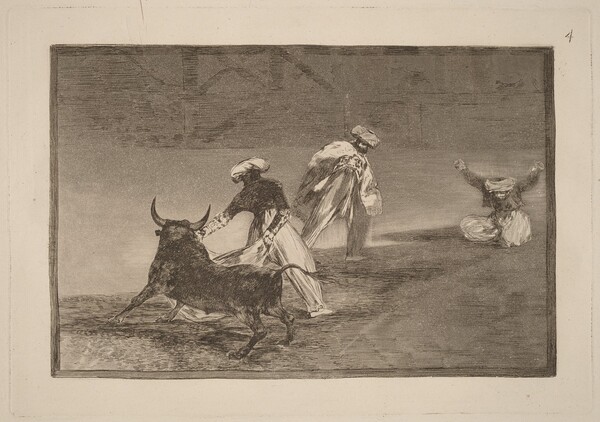
Capean otro encerrado (They Play Another with the Cape in an Enclosure)
Goya, Francisco
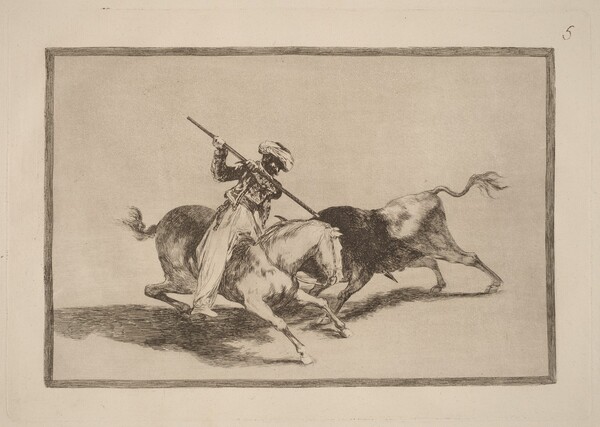
El animoso moro Gazul es el primero que lanceo toros en regla (The Spirited Moor Gazul is the First to Spear Bulls According to Rules)
Goya, Francisco
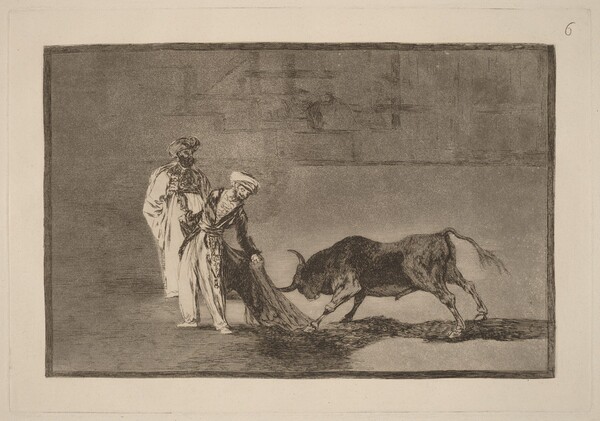
Los Moros hacen otro capeo en plaza con su albornoz (The Moors Make a Different Play in the Ring Calling the Bull with Their Burnous)
Goya, Francisco
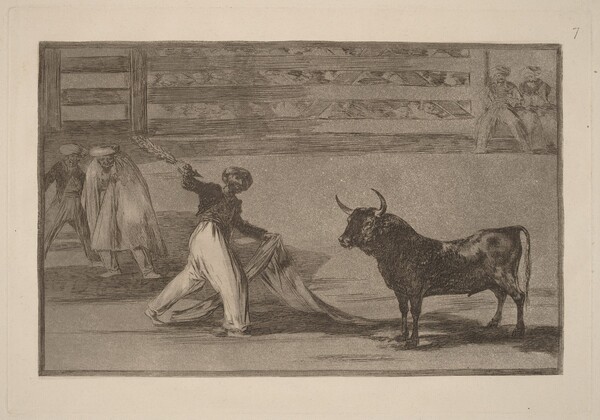
Origen de los arpones o banderillas (Origin of the Harpoons or Banderillas)
Goya, Francisco