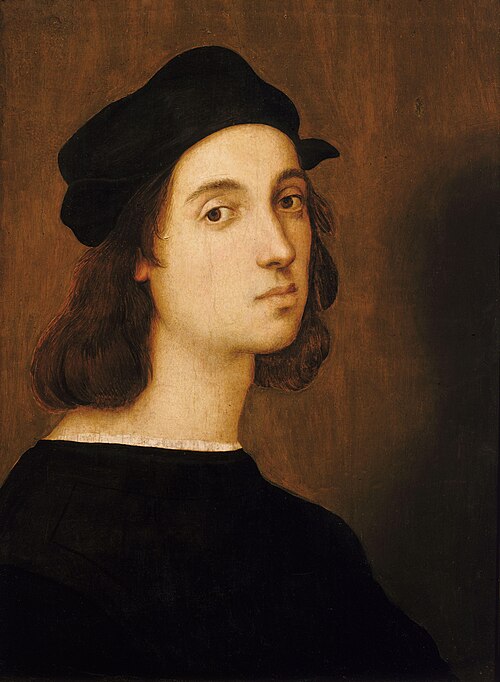
Raphael
Raffaello Sanzio da Urbino (Italian: [raffaˈɛllo ˈsantsjo da urˈbiːno]; March 28 or April 6, 1483 – April 6, 1520), now generally known in English as Raphael (UK: RAF-ay-əl, US: RAF-ee-əl, RAY-fee-, RAH-fy-EL), was an Italian painter and architect of the High Renaissance. His work is admired for its clarity of form, ease of composition, and visual achievement of the Neoplatonic ideal of human grandeur. Together with Leonardo da Vinci and Michelangelo, he forms the traditional trinity of great masters of that period. His father Giovanni Santi was court painter to the ruler of the small but highly cultured city of Urbino. He died when Raphael was eleven, and Raphael seems to have played a role in managing the family workshop from this point. He probably trained in the workshop of Pietro Perugino, and was described as a fully trained "master" by 1500. He worked in or for several cities in north Italy until in 1508 he moved to Rome at the invitation of Pope Julius II, to work on the Apostolic Palace at the Vatican. He was given a series of important commissions there and elsewhere in the city, and began to work as an architect. He was still at the height of his powers at his death in...
Read more on Wikipedia →Artworks by Raphael
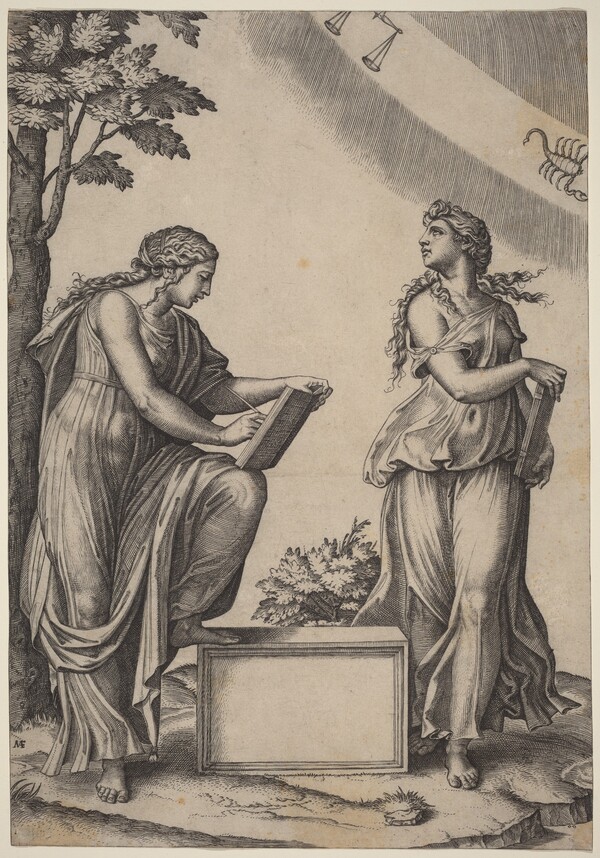
Two Women with the Zodiac
Raphael
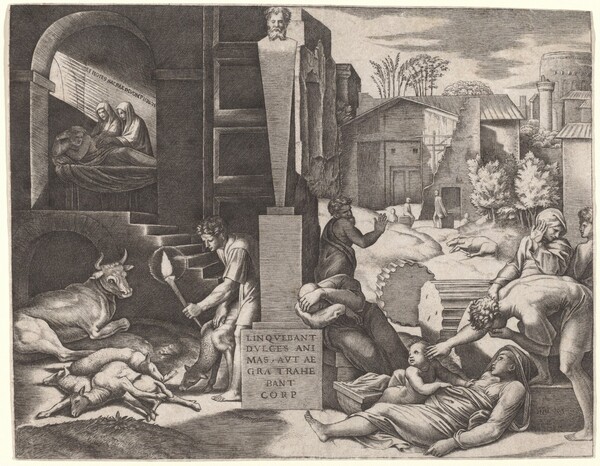
Il Morbetto (The Plague)
Raphael
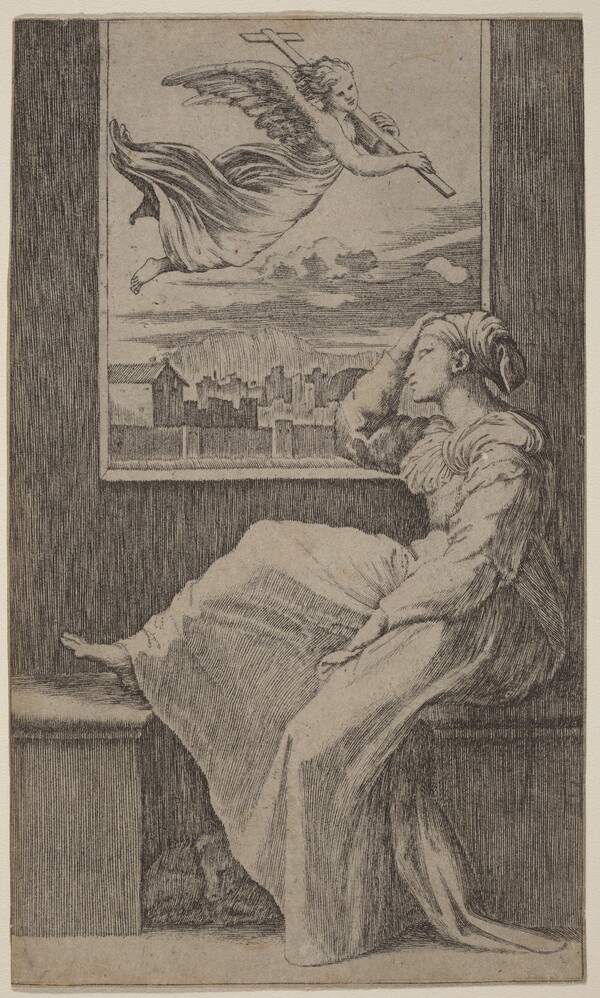
The Vision of Saint Helena
Raphael
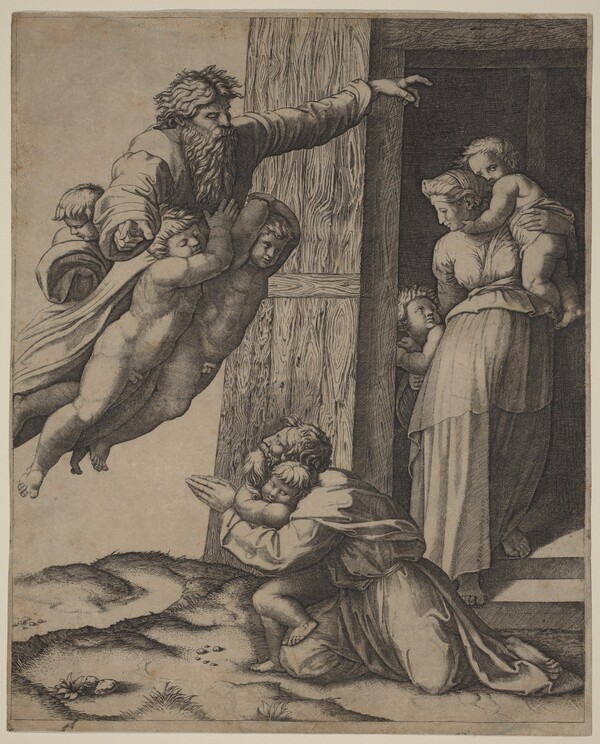
God Appearing to Noah
Raphael
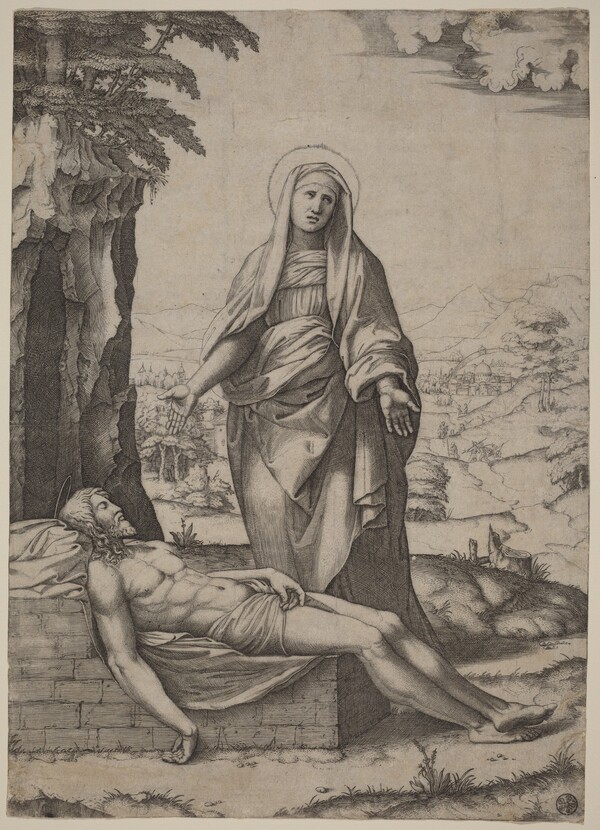
The Lamentation of the Virgin
Raphael
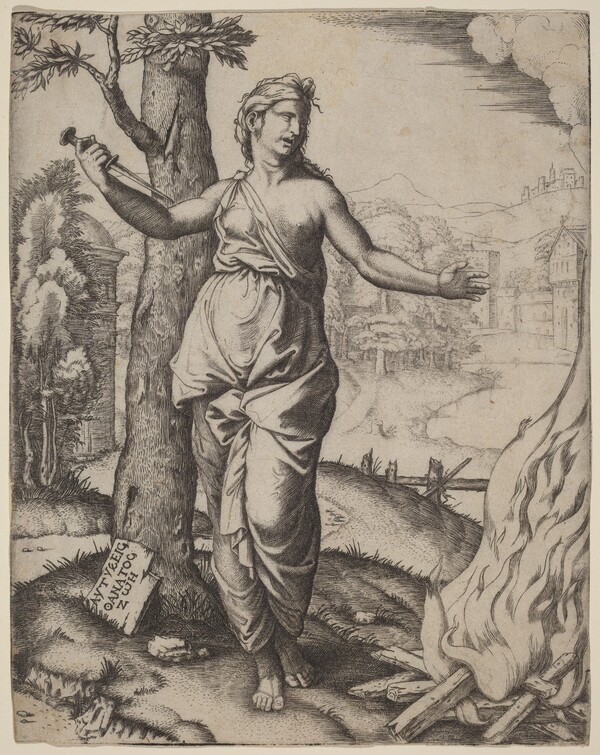
Dido
Raphael
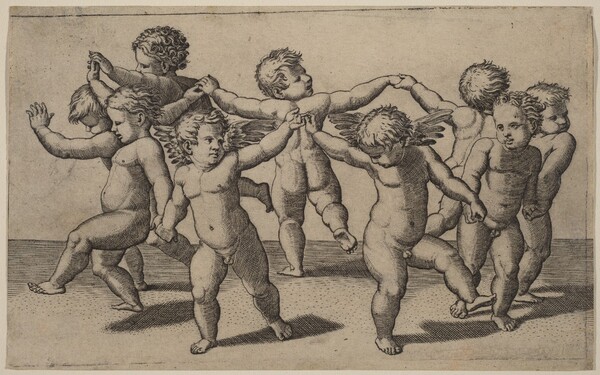
Dance of Cupids
Raphael

The Judgment of Paris
Raphael
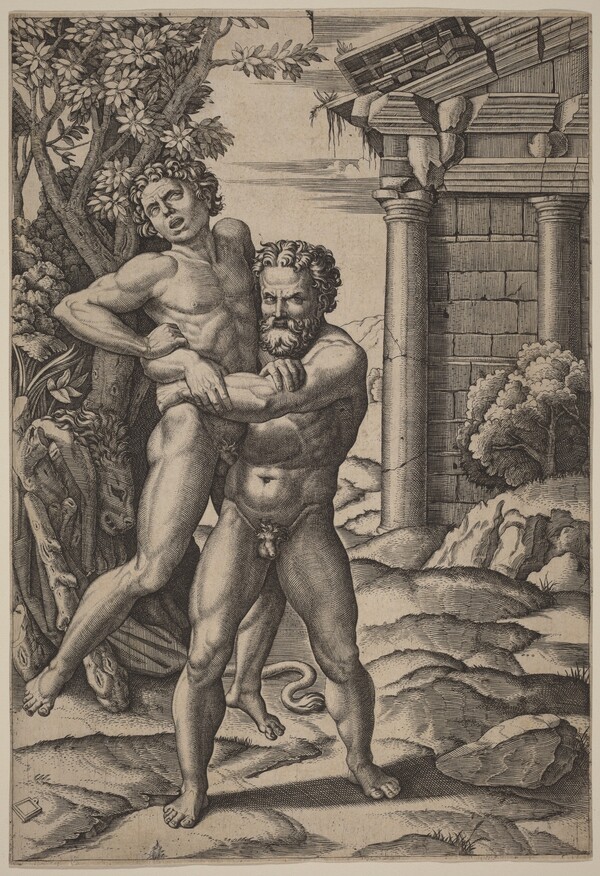
Hercules and Antaeus
Raphael
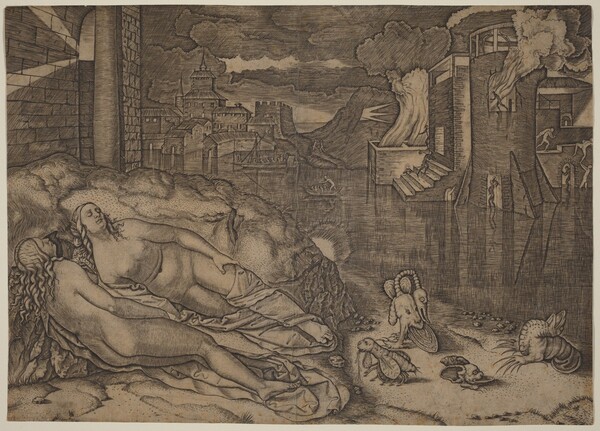
Raphael's Dream
Raphael
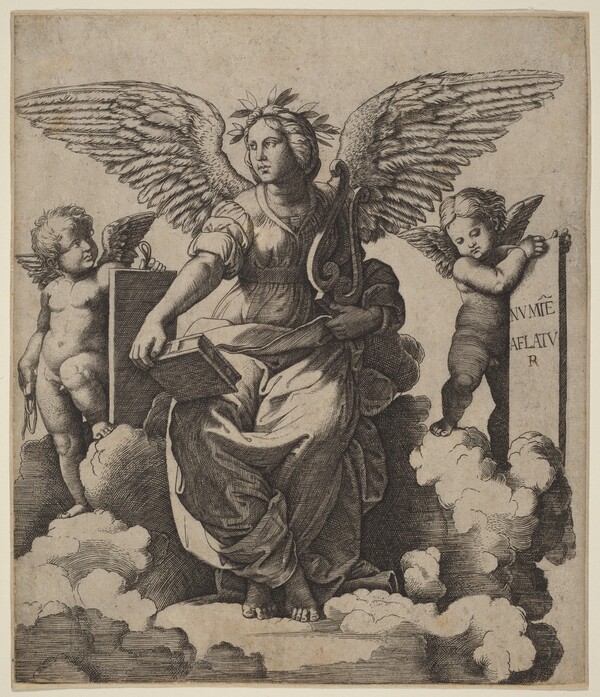
Poetry
Raphael
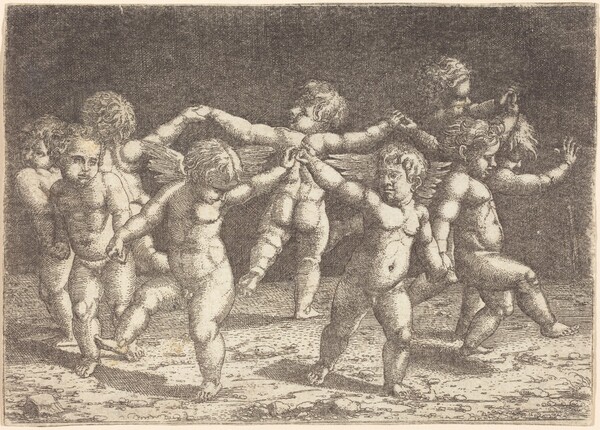
Dance of the Gods of Love
Raphael
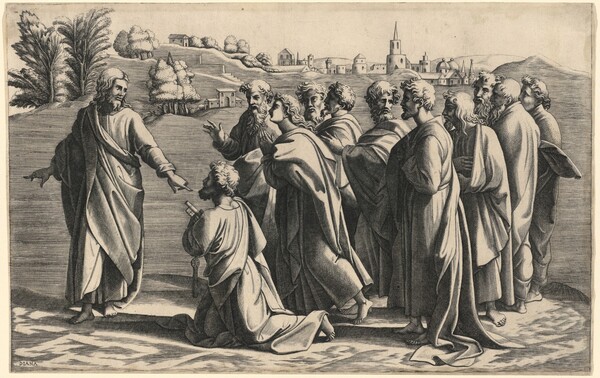
Christ Making Saint Peter Head of the Church
Raphael
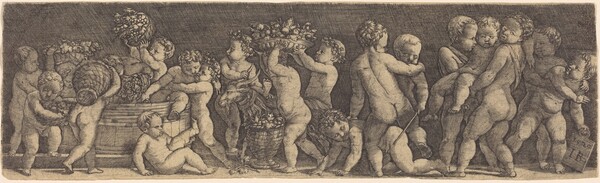
Children Harvesting Grapes
Raphael
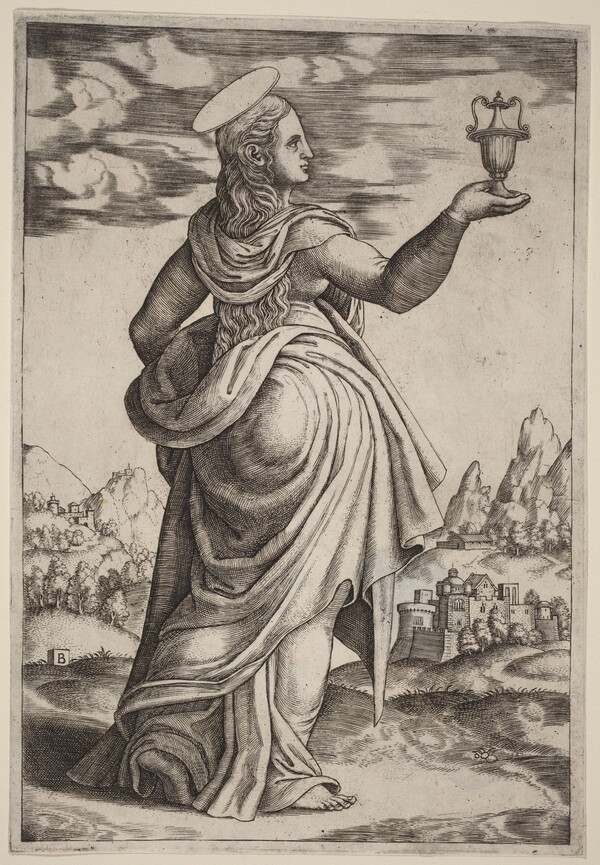
The Magdalen
Raphael
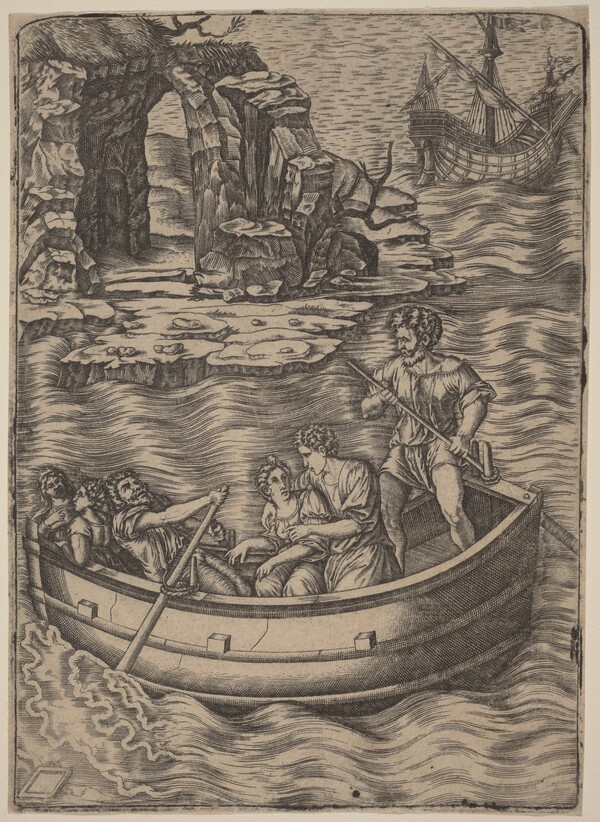
The Barc
Raphael

The Triumph of Galatea
Raphael
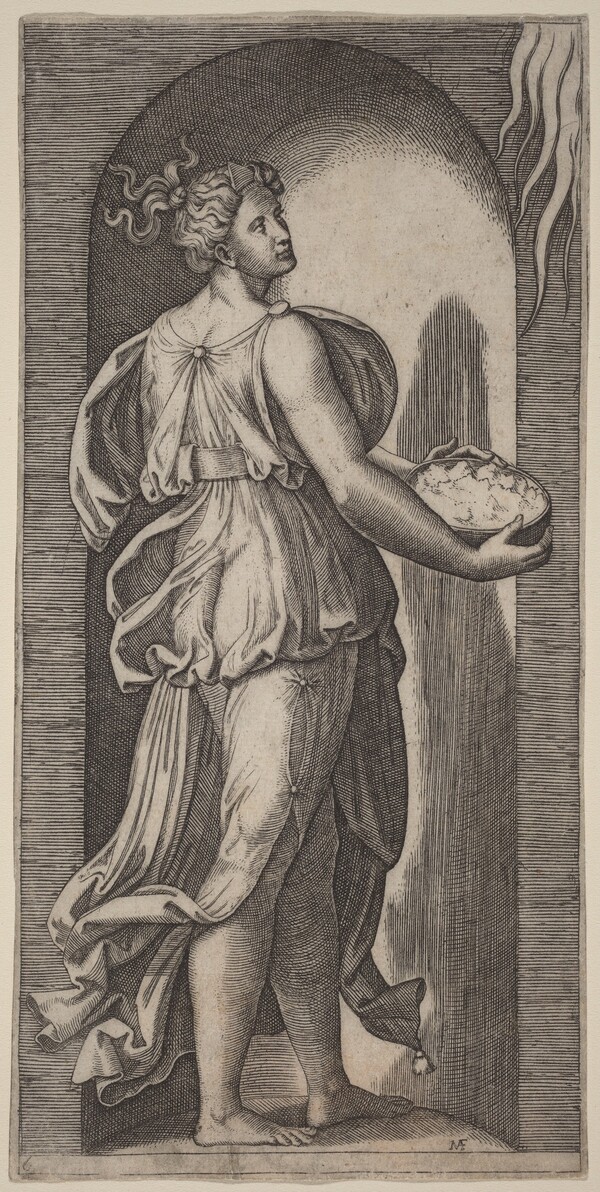
Hope
Raphael
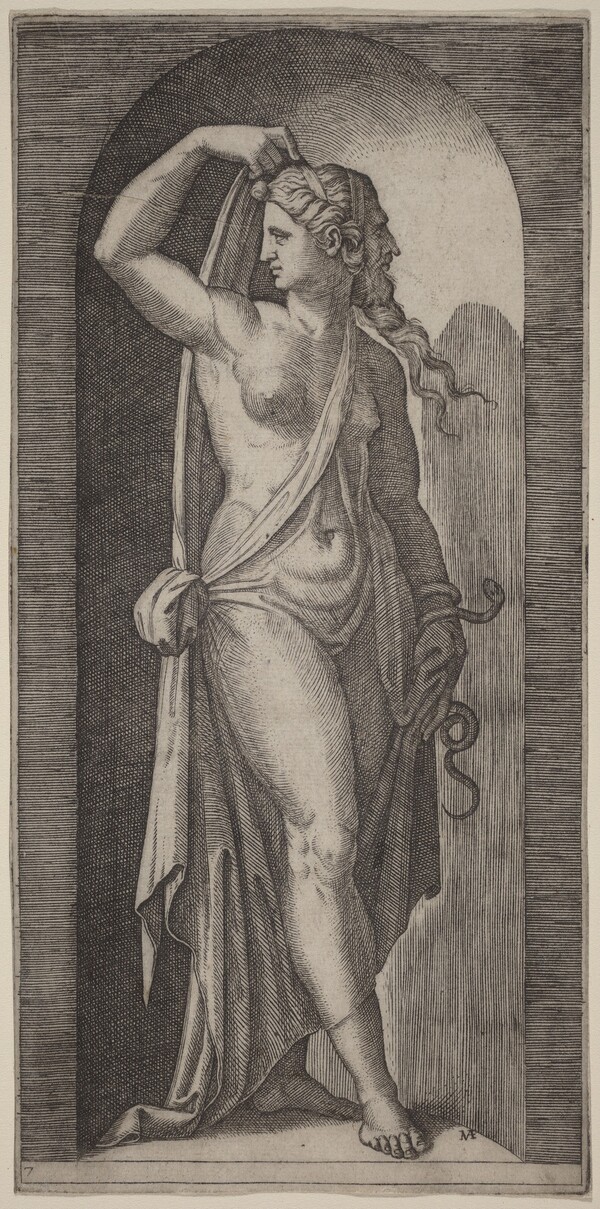
Prudence
Raphael
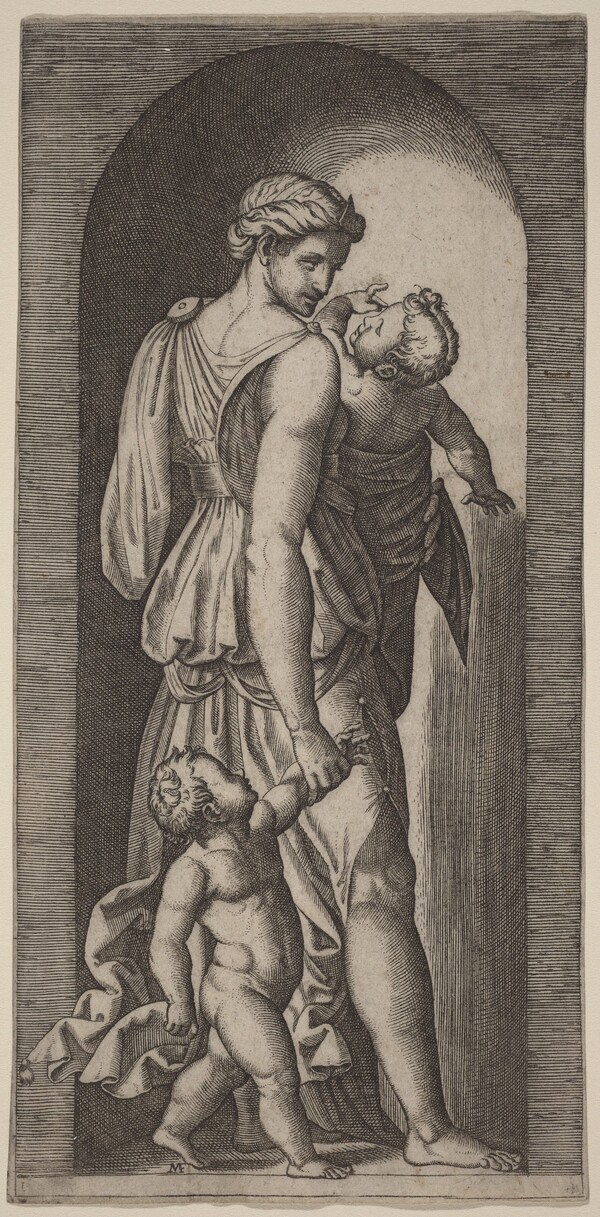
Charity
Raphael